Affordable Car Repair
Frequent Auto Repair Troubles: Speedy Solutions and Experienced Tips for Every Driver
Common vehicle repair issues can disrupt a driver's daily schedule. Many issues, such as warning lights and engine noises, often indicate deeper concerns that require attention. Simple preventive measures and troubleshooting techniques can reduce these problems. Understanding how to address battery problems or handle flat tires is essential. As vehicles become more complex, knowing these quick fixes and expert tips can make all the difference in maintaining safety and performance. What steps should every driver take to stay ahead?
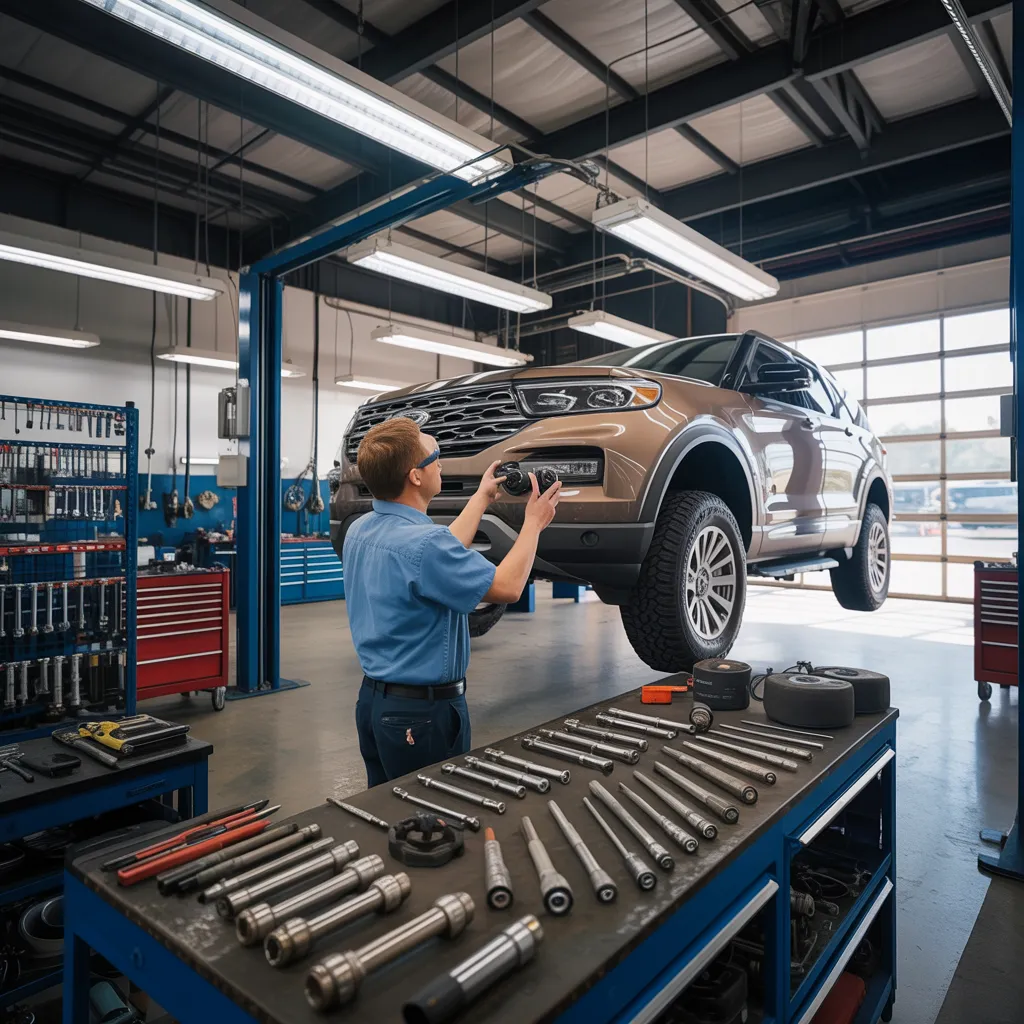
Learning About Warning Lights and What They Indicate
Warning lights on a vehicle's dashboard act as key indicators of its operational condition. Each light provides distinct information related to the vehicle's components, alerting drivers to possible complications that demand urgent response. For instance, the check engine light warns that the engine control unit has detected a problem, ranging from minor faults to major malfunctions. Similarly, the oil pressure warning alerts insufficient oil pressure, which can cause serious engine damage if not resolved.
Other frequent alert indicators contain the battery warning, which signifies electrical difficulties, and the brake warning light, indicating potential problems with the braking system. Grasping these indicators permits drivers to implement appropriate action, whether that means pulling over to inspect the automobile or seeking qualified support. Overlooking alert indicators can cause substantial issues, producing costly repairs and compromised safety on the street.
Addressing Motor Noises
How can drivers effectively identify and address strange engine noises? First, they must listen closely to the kind of noise being emitted. A knocking noise may point to issues within the engine's internals, whereas a high-pitched squeal could imply problems with the serpentine belt or pulleys. Operators should also be mindful of the conditions under which the noise arises, such as during acceleration, idling, or turning.
Next, it is necessary to check the engine oil level and state, because low or dirty oil can cause increased wear and noise. Also, loose components, such as heat shields or exhaust parts, might create rattling sounds and should be checked. If the noise continues or escalates, getting professional mechanic advice is suggested to determine and fix the problem effectively. Addressing engine noises promptly can avoid more serious damage and high-cost repairs later.
Fixing Power Source Troubles
Many operators depend on their car's battery without much thought, yet addressing battery problems without delay is essential for ensuring reliable operation. A deteriorating battery can lead to starting troubles, faint lights, and electronic malfunctions. Checking battery terminals on a regular basis for corrosion and ensuring they are securely attached can avert unexpected issues.
Drivers should also track the battery's age, as most batteries have a lifespan of three to five years. If a battery shows signs of wear, such as swelling or leaks, it is vital to replace it immediately. Additionally, checking the battery's voltage can provide insight into its health; a reading below 12.4 volts often suggests the necessity of charging or replacement.
During cold weather, it is advisable to check the battery more frequently, as intense cold can worsen battery issues. By keeping watch, drivers can avoid the disruption of battery malfunction and sustain their vehicle's functionality.
Coping With Flat Tires
Flat tires can occur unexpectedly and are a common issue that motorists encounter. When a driver experiences a flat tire, the initial action is to carefully move to the side to a level, secure location clear of vehicles. Once stopped, the driver should assess the damage. If a puncture is small and located in the tread, it may be fixable. However, if the wall is damaged or the tire is deteriorated, replacement is required.
To replace a tire, the driver should gather essential tools: a jack, lug wrench, and spare tire. After loosening the lug nuts, the jack should be used to elevate the vehicle. Once hoisted, the flat tire can be removed and replaced with the spare. After tightening the spare tire and descending the vehicle, the lug nuts should be fastened.
To summarize, it's vital for drivers to regularly check tire pressure and tread depth to circumvent future flat tire situations.
Maintaining Your Brake System
Proper upkeep of the braking apparatus is crucial for ensuring car safety and functionality. Regular inspections of brake pad components, brake rotors, and fluid levels can prevent expensive maintenance and improve driving safety. Drivers should routinely linked article check brake pad wear for wear; replacing them when they become thin is vital, as deteriorated pads can cause damage to rotors and decreased stopping power.
Also, monitoring brake fluid levels is critical. Low fluid can indicate leaks, while dirty fluid can impair braking efficiency. It is recommended to replace the brake fluid every two years to copyright ideal performance.
Monitoring peculiar noises, such as squeaking or grinding, can make drivers aware of potential issues. If any abnormalities are recognized, reaching out to a professional mechanic is advisable. By following these maintenance practices, drivers can guarantee their brake systems run smoothly, furthering not only their safety but also the longevity of their vehicles.
Frequently Asked Questions
How Frequently Should I Swap Out My Engine Oil?
Professionals suggest changing engine oil every 3,000 to 5,000 miles, depending on the vehicle and oil type. Regular upkeep guarantees ideal engine performance, extends lifespan, and improves fuel efficiency, making prompt oil changes crucial for drivers.
What Represents the Best Practice for Maintaining My Car's Headlights?
The most effective approach to cleaning car headlights requires employing a blend of baking soda and water or a professional headlight cleaner. Spread the paste, scrub gently with a cloth, then wash entirely for clearer visibility and increased safety.
How Might I Maximize My Vehicle's Energy Efficiency?
To enhance gas mileage, it is prudent to maintain proper tire pressure, carry out consistent engine tune-ups, lessen excess weight, drive at moderate speeds, and avoid rapid acceleration. These habits can significantly strengthen overall fuel performance.
How Often Should I Change My Windshield Wipers?
You need to replace windshield wipers every six to twelve months, or sooner if they produce noise, skip, or leave streaks. Consistent maintenance ensures maximum visibility, especially during adverse weather conditions, enhancing overall driving safety.
What Are Indicators My Car Needs Alignment?
Indicators that a vehicle needs alignment include uneven tire wear, the car drifting to one side, a steering wheel that is off-center, and a shaking steering wheel. Promptly addressing these issues improves safety and performance.